Calibrating Vision across yarns, colors and lighting
A field guide to making AI work on machines no one designed it for.
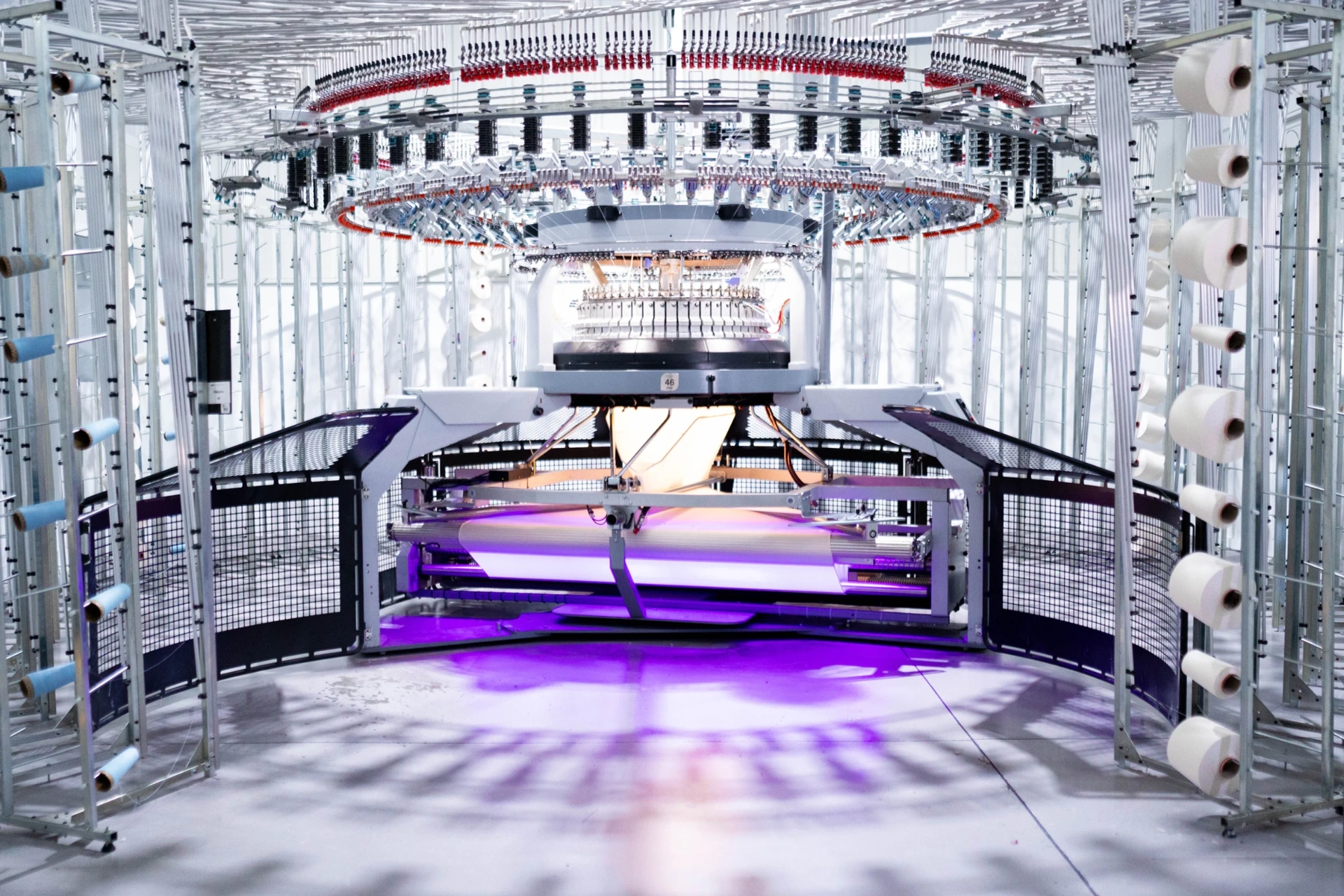
A circular knitting machine was not designed to host a camera. The lighting was designed for a human operator's eye, the vibration tolerances were designed for steel parts, and the spatial layout was designed by people who had never heard the word inference.
Calibration is the work of meeting that machine where it is. We start with a 200-image reference set captured across a full shift on the customer's actual yarn. We profile the lighting at four points across the bed. We measure vibration at the camera mount with an inexpensive accelerometer that ships with every Vision deployment.
From there, calibration is mostly subtraction. We strip out the assumptions our model picked up in the lab and replace them with the constraints of this specific machine on this specific floor. The result is a model that is technically less general and operationally more correct.
Talk to us
Curious how this would land in your mill?
We are happy to walk through your machines, your data, and where Profna would fit.
Book a conversation